
Dyslipidemia and Cardiovascular Disease Risk

Dyslipidemia Dyslipidemia is a metabolic condition marked by abnormal levels of one or more lipid parameters (such as elevated total cholesterol, elevated triglycerides, elevated LDL-C, or reduced HDL-C). It is frequently identified alongside cardiovascular, endocrine, and metabolic disorders, serving as a primary risk factor for their progression. Dyslipidemia may stem from primary etiologies, such as genetic predisposition, or secondary causes associated with an unfavorable lifestyle. Comprehensive management includes therapeutic lifestyle adjustments—such as regular physical activity and dietary modifications, including moderating alcohol intake and reducing animal fats—as well as lipid-lowering pharmacotherapy when indicated.

Etiology of Dyslipidemia
1. Primary Dyslipidemia
- Primary dyslipidemia is caused by genetic mutations leading to excessive synthesis of total cholesterol (TC), triglycerides (TG), or LDL-C, reduced clearance of TC, TG, or LDL-C, decreased synthesis of HDL-C, or increased clearance of HDL-L. Primary dyslipidemia typically manifests early in children and young adults, is rarely accompanied by obesity, and includes the following clinical conditions:
- Primary hypertriglyceridemia: An autosomal recessive genetic disorder. Clinically, patients are typically not obese and present with hepatosplenomegaly, hypersplenism, thrombocytopenic anemia, splenic infarction, and acute pancreatitis causing abdominal pain.
- Combined (mixed) hyperlipidemia: A genetic condition with multiple affected family members. It may result from elevated synthesis or impaired catabolism of lipoproteins. Clinical features commonly include obesity, xanthomas, insulin resistance, type 2 diabetes, and hyperuricemia.
2. Secondary Dyslipidemia
The causes of secondary RLLPM are due to a sedentary lifestyle, excessive alcohol consumption, and a diet high in saturated fats. Other secondary causes of RLLPM include diabetes, chronic kidney disease, hypothyroidism, cirrhosis, and the use of thiazide medications, corticosteroids, estrogen, and beta-adrenergic blockers.
Secondary triglyceride elevation:
- Diabetes Mellitus: Elevated serum triglycerides frequently result from diminished lipoprotein lipase enzymatic activity. With optimal glycemic control, triglyceride levels typically improve within several weeks. Hypertriglyceridemia represents an established risk factor for progressive atherosclerosis in patients with diabetes.
- Hypercortisolemia (Cushing's Syndrome): Characterized by impaired lipoprotein catabolism secondary to reduced lipoprotein lipase activity. This deficit becomes more pronounced in the presence of concurrent insulin resistance and diabetes.
- Estrogen Therapy: In women undergoing prolonged estrogen therapy, triglyceride levels may increase secondary to accelerated hepatic VLDL synthesis. Similarly, physiological elevations in estrogen during pregnancy cause a two- to threefold rise in triglyceride concentrations, which typically normalize approximately six weeks postpartum.
- Chronic Alcohol Consumption: Substantially alters lipid profiles, predominantly elevating triglyceride levels. Alcohol notably induces a marked surge in circulating triglycerides in patients with underlying primary or secondary hypertriglyceridemia. In Zieve's syndrome, characterized by severe hypercholesterolemia, alcohol is metabolized into acetate, which suppresses hepatic fatty acid oxidation; consequently, diverted fatty acids drive triglyceride synthesis, contributing to hepatic steatosis and increased VLDL secretion. Concurrently, compromised hepatic function reduces lecithin-cholesterol acyltransferase (LCAT) activity, leading to free cholesterol accumulation within erythrocyte membranes, precipitating hemolysis and hemolytic anemia.
- Renal Disease: In nephrotic syndrome, circulating VLDL and LDL levels rise due to compensatory hepatic synthesis secondary to urinary protein loss and hypoalbuminemia. Triglycerides increase because depleted serum albumin diminishes free fatty acid binding capacity; free fatty acids preferentially bind to circulating lipoproteins, thereby inhibiting their enzymatic lipolysis.
Signs and Manifestations of Dyslipidemia
Dyslipidemia is an insidious metabolic condition that often progresses silently over an extended period without distinct symptoms. In most instances, clinical manifestations emerge only after persistent elevations in blood lipids or following the onset of cardiovascular complications—such as atherosclerosis, myocardial infarction, stroke, or xanthelasmas and xanthomas on the eyelids, elbows, and knees. Severe hypertriglyceridemia may also precipitate acute pancreatitis. Consequently, dyslipidemia is frequently diagnosed at an advanced stage during routine management of cardiovascular, endocrine, and metabolic disorders.
Why Is Dyslipidemia a Serious Health Concern?
– Hypercholesterolemia is a well-established, modifiable risk factor for cardiovascular conditions, including coronary artery disease, myocardial infarction, and cerebrovascular accidents. Cardiovascular risk factors frequently co-occur and synergistically accelerate vascular decline. The coexistence of multiple risk factors compounds your overall cardiovascular risk exponentially.
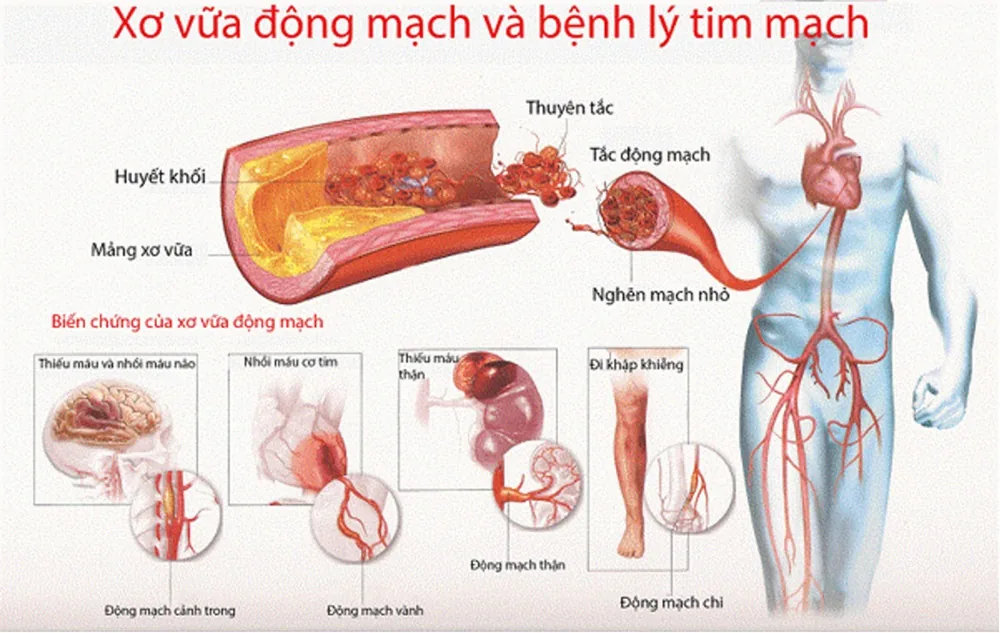
- When excessive LDL cholesterol circulates in your bloodstream, it gradually deposits along your arterial walls. Concurrently with other substances, it forms atherosclerotic plaques, causing the vascular lumen to narrow progressively or become completely occluded.
- Atherosclerosis is the medical term used to describe the progressive accumulation of lipids, cholesterol, cellular degradation products, calcium deposits, and fibrin within the arterial walls. The atherosclerotic process also advances with age, is influenced by family history, and accelerates in individuals presenting with concurrent cardiovascular risk factors (beyond dyslipidemia) such as diabetes, obesity, smoking, and hypertension...
How Can Dyslipidemia Be Prevented and Managed?
Dyslipidemia, commonly characterized by elevated serum cholesterol levels, represents a principal determinant of cardiovascular disease. Globally, approximately 17 million lives are claimed annually by cardiovascular conditions, the majority of which are linked to atherosclerosis. Fortunately, cholesterol profiles remain highly manageable, and associated risks can be substantially mitigated. The key lies in adhering strictly to therapeutic principles and evidence-based medical regimens tailored by your physician. The management of dyslipidemia is an enduring, lifelong commitment aimed at preventing cardiovascular complications and preserving long-term vascular wellness.
We invite you to review the following clinical recommendations:
Lifestyle Modifications ...represent modifiable lifestyle determinants that exert a profound impact on dyslipidemia, including dietary habits, weight management, physical activity, and tobacco exposure. We therefore advise adherence to the following guidelines:
• Adopt a balanced, wholesome dietary pattern
- Regular physical exercise
- Elimination of detrimental habits: cigarette smoking, excessive alcohol consumption...
Nutritional Considerations
Clinical specialists advise cultivating a clear awareness of dietary fats in order to curate the most tailored and beneficial nutrition plan.
Which Foods Elevate LDL Cholesterol?
• Saturated fats: Predominantly derived from animal sources—notably fatty cuts of beef, beef tallow, lard, lamb, poultry skin, butter, heavy cream, and whole cheeses—as well as select tropical plant oils and products, including coconut, coconut milk, coconut oil, palm oil, almonds, and vegetable shortening.
• Trans-unsaturated fats (TFAs or trans-fatty acids): While unsaturated fats are generally protective, they exist chemically in cis and trans configurations. Naturally occurring unsaturated fats are predominantly in the cis form. Conversely, trans fats are synthesized during industrial food processing via partial hydrogenation, commonly utilized in commercial deep-frying and margarine production. TFAs are also present in processed pork, beef, dairy fats, and commercially prepared items such as pre-fried instant noodles, fast food, and packaged fried snacks. Substantial clinical evidence confirms that TFAs significantly increase serum cholesterol.
• Dietary cholesterol: Exclusively of animal origin, with substantial concentrations found in egg yolks, organ meats, and liver.
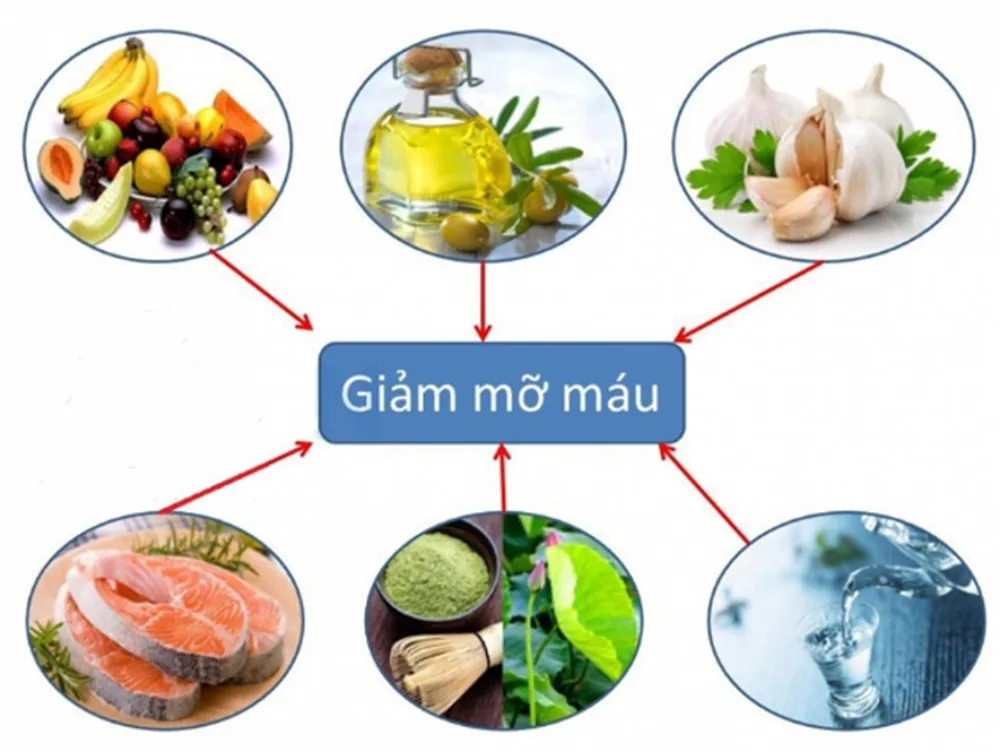
• Unsaturated fats, comprising monounsaturated and polyunsaturated fatty acids: Abundantly present in oily fish, nuts, seeds, and cold-pressed vegetable oils. Prominent dietary sources include wild salmon, herring, avocados, olives, and sunflower, soybean, and corn oils. Substituting saturated fats with these unsaturated varieties confers proven cardioprotective benefits. Maintaining an intake where healthy fats account for approximately 25% to 35% of total daily caloric intake is considered ideal.
RECOMMENDED FOODS:
• Generous portions of fresh vegetables and whole fruits (distributed throughout the day)
• A diverse selection of minimally refined whole grains (e.g., rye bread, brown rice, whole oats)
• Non-fat or skimmed milk options
• Prime lean meats and skinless poultry
• Omega-3 rich oily fish, served at least twice weekly
• Legumes, pulses, and garden peas
• Raw or roasted tree nuts (in measured portions, 4 to 5 times per week)
• Unsaturated culinary vegetable oils (olive, sunflower, and soybean oils), while strictly avoiding their hydrogenated margarine equivalents
FOODS TO RESTRICT:
- Animal fat and untrimmed fatty meats
- Full-fat milk (whole milk)
- Egg yolks, butter, full-fat cheeses, and culinary preparations made from them
- Fatty duck and goose meats (industrially farmed)
- Pastries formulated with egg yolks and saturated fats
- Animal organ meats/offal (liver, kidneys, brain, spleen...)
- High-fat processed convenience foods: sausages, salami...
- Vegetable oils rich in saturated fats: coconut oil, palm oil, almond oil...
- Margarines and plant-based butters
- Pre-fried foods and fast foods (including instant noodles)...
- A structured, regular exercise regimen
This article was medically reviewed by Dr. Nguyen Thi Dieu Huyen - Internal Medicine Specialist at Sante Hospital.
Proactively protect your health with our experienced specialist doctors and advanced medical equipment.
📞 BOOK AN APPOINTMENT NOW: (+84) 28 2200 8686 – (+84) 901 295 399
⏰ Monday – Saturday: Morning 7:30 AM – 12:00 PM, Afternoon 1:30 PM – 5:00 PM | 24/7 Emergency: ((+84) 937 389 539)
💳 Full nationwide health insurance coverage & Direct billing for private insurance accepted
