
When Should You Get an Endoscopy? 6 Warning Signs You Should Not Ignore

Gastroscopy (upper endoscopy) is a diagnostic procedure utilizing a flexible endoscope equipped with a high-definition camera and light source, inserted via the mouth or nose to directly inspect the mucosa of the esophagus, stomach, and duodenum, while facilitating biopsy or therapeutic intervention when indicated. Persistent epigastric discomfort, postprandial heartburn, or chronic bloating are common ailments that many self-manage with over-the-counter medications and dietary adjustments. However, when these symptoms recur, knowing when to undergo gastroscopy is vital. This guide details key clinical indications, available endoscopy modalities, red-flag symptoms requiring urgent evaluation, and essential preparation protocols.
What Can a Physician Observe During a Gastroscopy?
Through real-time high-definition imaging, endoscopy specialists can meticulously inspect the mucosal lining of the esophagus, stomach, and duodenal bulb to detect:
- Ulcerative and Inflammatory Lesions: Identifies areas of erythema, acute erosions, or chronic ulcerations across the gastric body, antrum, and pylorus.
- Polyps and Neoplasms: Enables early detection of epithelial polyps and gastric tumors, facilitating endoscopic polypectomy when indicated.
- Diagnostic Biopsy: Obtains targeted tissue samples for histopathology or rapid urease tests (CLO test) to detect Helicobacter pylori.
- Interventional Therapeutics: Performs hemostatic clipping for bleeding ulcers, sclerotherapy, or endoscopic dilation of gastrointestinal strictures.
Nevertheless, the selection of diagnostic modalities always depends on individual symptoms, clinical history, age, and comprehensive physician evaluation.
When to Get an Endoscopy? 6 Common Clinical Scenarios
Physicians may recommend an endoscopy when gastrointestinal symptoms persist, fail to respond to standard medical therapies, or when upper GI risk assessment is indicated.
1. Epigastric Pain or Burning Sensation
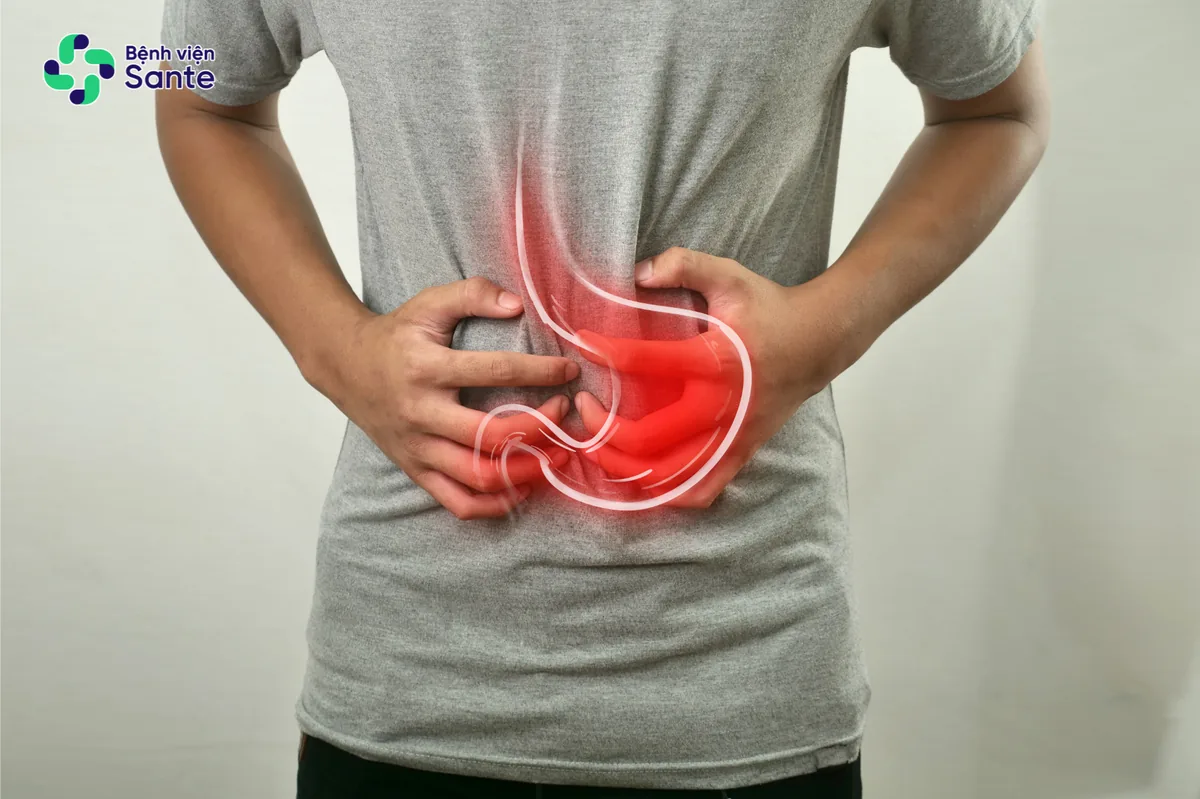
The epigastrium is the upper abdominal region between the navel and the sternum. Dull, cramping, or burning pain in this area can stem from various etiologies, most commonly peptic ulcer disease or gastritis. If pain recurs frequently after meals, during fasting, or at night, specialist consultation and endoscopic examination are advised to establish an accurate diagnosis.
2. Frequent Bloating, Indigestion, or Early Satiety
Postprandial fullness, belching, abdominal distension, or early satiety (feeling full after just a few bites) are common complaints. While often functional, these symptoms can also indicate chronic gastritis or impaired gastric motility. When recurrent and lasting beyond two weeks, in-depth clinical evaluation is recommended.

3. Persistent Heartburn, Acid Reflux, or Regurgitation
Heartburn is a burning retrosternal sensation radiating toward the throat, often accompanied by acid or bitter regurgitation. These manifestations typically indicate gastroesophageal reflux disease (GERD). Endoscopy is considered when symptoms fail to improve with proton-pump inhibitors or when alarm signs like dysphagia occur, assessing the severity of reflux esophagitis.

4. Recurrent Nausea or Vomiting
Persistent morning nausea, retching, or recurrent vomiting directly impacts nutritional intake and quality of life. Depending on the timing and vomitus characteristics, endoscopy allows clinicians to rule out pyloric stenosis or congestive gastritis.
5. Unexplained Anemia or Weight Loss
Unexplained iron-deficiency anemia, pallor, chronic fatigue, or involuntary weight loss (losing 5-10% of body weight over a few months) are red-flag indicators. Gastroenterologists routinely order upper and lower endoscopy to detect occult bleeding lesions or occult neoplasms.
6. History or Risk Factors for Gastric Diseases
Gastroscopy may also be recommended in asymptomatic individuals who possess significant risk profiles:
- Prior medical history of peptic ulcers, gastric polyps, or GI bleeding requiring periodic surveillance.
- Family history of first-degree relatives (parents, siblings) diagnosed with gastric or GI malignancies.
- Periodic Screening Endoscopy: Gastroenterologists recommend that individuals aged 40 and older undergo routine endoscopic screening every 1 to 2 years for early detection of premalignant lesions.
Emergency Red-Flag Symptoms Requiring Immediate Medical Attention
Certain manifestations signal severe acute gastrointestinal emergencies. You must seek immediate emergency medical care if experiencing:
- Hematemesis (Vomiting fresh blood or dark coffee-ground material) resembling coffee grounds.
- Melena (Passing tarry, jet-black stools) accompanied by foul odor, dizziness, lightheadedness, or syncope.
- Severe, sudden abdominal pain with board-like rigidity (suspected peptic ulcer perforation).
- Progressive dysphagia (difficulty swallowing), advancing from solids to liquids.
Clinical Notice: When presenting with these emergency signs, patients must proceed to a hospital immediately; do not attempt routine outpatient scheduling or wait at home.
Does Stomach Pain Always Require an Endoscopy?
The answer is No. Epigastric discomfort, bloating, or indigestion does not mandate an endoscopy in 100% of cases. In young patients without alarm signs, physicians may consider:
- Thoroughly reviewing medication history (NSAIDs, corticosteroids) and lifestyle factors.
- Ordering non-invasive breath tests (13C/14C Urea Breath Test) or stool antigen tests for H. pylori.
- Prescribing empirical therapeutic trials (2-4 weeks) with close clinical monitoring.
Conversely, for patients with elevated risk factors or persistent symptoms, endoscopy remains the paramount investigation to rule out structural pathology.
Comparison of Current Gastroscopy Modalities
Depending on your clinical status, anxiety threshold, and physician advice, you may choose between two primary endoscopy modalities:
| Modality | Typical Sensation | Post-Procedure Recovery | Indicated For |
|---|---|---|---|
| Standard Endoscopy (Non-Sedated) | May cause mild gagging, throat fullness, or throat irritation during insertion. | Immediate recovery; patient can resume daily activities shortly after completion. | Patients with stable health seeking an economical option without sedative medication. |
| Sedated Endoscopy (Painless Endoscopy) | Smooth, restful sleep; zero pain, discomfort, or recollection of the examination. | Requires 15-30 minutes of rest in recovery until fully alert; operating vehicles is prohibited. | Anxious patients, those with sensitive gag reflexes, or cases requiring biopsy/polypectomy. |
Video: Dr. Duong Cong Son, Specialist Level I – Digestive Endoscopist at Sante Hospital, explains painless gastroscopy techniques.
Preparation Guidelines Prior to Gastroscopy
Diligent patient preparation is critical to ensure a clean gastric lumen, enabling the endoscopist to clearly visualize subtle mucosal changes:
- Fasting Guidelines: Fast for at least 6 hours prior to the procedure. Small sips of clear water are permitted up to 2-3 hours before endoscopy; strictly avoid milk, carbonated beverages, coffee, tea, or colored drinks.
- Medication Disclosure: Disclose all current medications to your doctor, especially anticoagulants, antiplatelets (Aspirin, Clopidogrel), diabetic medications, or acid-suppressants.
- Comorbidities & Allergies: Disclose any cardiovascular disease, asthma, hypertension, or history of anesthetic/sedative allergy for comprehensive pre-anesthetic clearance.
- Accompanying Guardian: For sedated procedures, an accompanying adult is required to assist with transport home; do not operate motor vehicles on the day of sedation.

Is Gastroscopy Painful?
Technically, gastrointestinal endoscopes are flexible, lubricated instruments designed so they does not inflict painful injury on mucosal tissue. Discomfort primarily stems from the natural gag reflex as the scope passes through the pharynx in non-sedated endoscopy.
With the sedated endoscopy (painless endoscopy)modality, an anesthesiologist administers short-acting intravenous sedation tailored to your physiology. Patients drift into a peaceful slumber and awaken 10-15 minutes after completion with zero pain or unpleasant recollection.
Frequently Asked Questions About Gastroscopy
1. How often should one undergo a gastroscopy?
There is no universal timeline. For healthy individuals with normal findings, routine surveillance every 2-3 years is standard. Patients with atrophic gastritis, intestinal metaplasia, or resected polyps require follow-up every 6 to 12 months as prescribed by their gastroenterologist.
2. Is gastroscopy necessary if you are asymptomatic?
Yes. Early gastric neoplasms and premalignant polyps typically develop silently without symptoms. Therefore, adults aged 40 and older, or those with a familial history of GI cancer, are strongly advised to undergo proactive screening endoscopy.
3. Can H. pylori testing replace an endoscopy?
It cannot fully substitute. Breath or blood tests only determine active or past H. pylori infection; they cannot assess mucosal inflammation, peptic ulceration, occult bleeding, or neoplasms. Only endoscopy permits direct visualization and definitive evaluation of the mucosal architecture.
Digestive Endoscopy Center at Sante Hospital
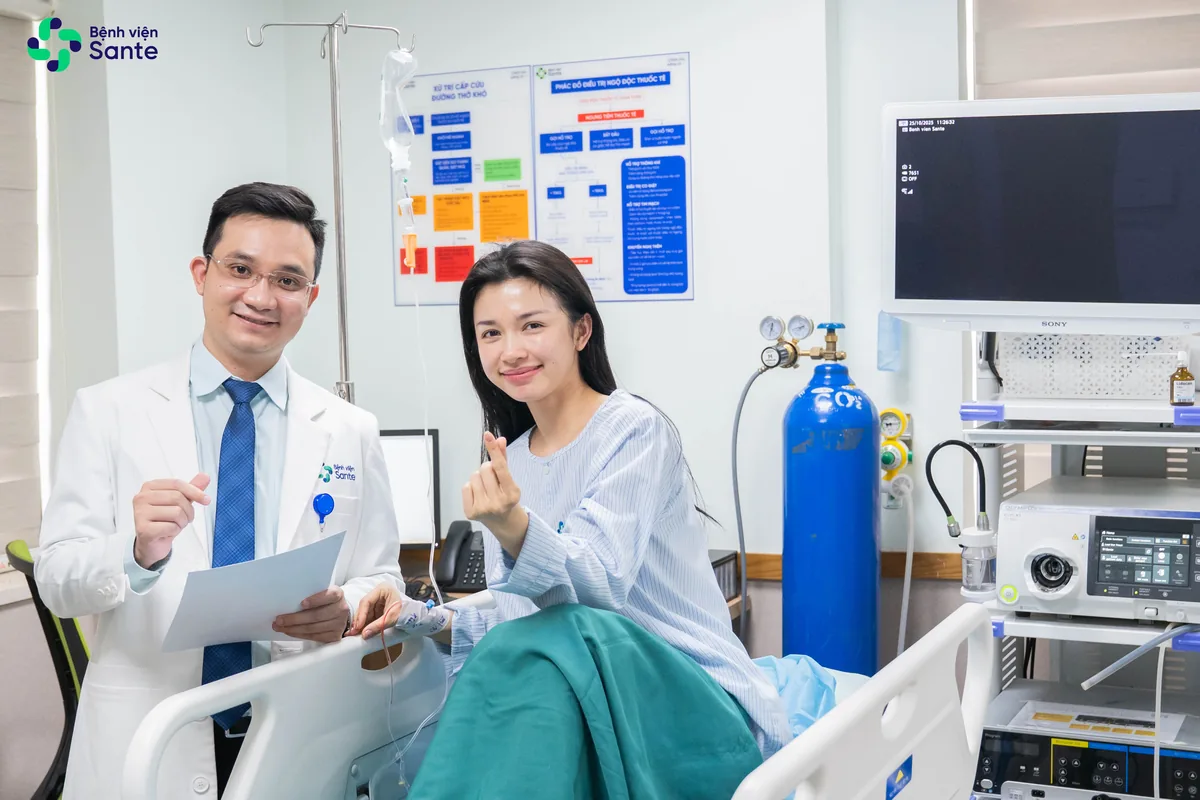
Understanding patient apprehensions regarding endoscopy, the Digestive Endoscopy Center at Sante Hospital is comprehensively outfitted with advanced clinical standards:
- Next-Generation Olympus EVIS X1 Endoscopy System: Delivers 4K Ultra-HD imaging with high-magnification capability to inspect microvascular patterns and mucosal pit structures.
- Narrow Band Imaging (NBI) Technology: Enhances visual contrast between normal mucosa and abnormal microvasculature, facilitating early neoplasia detection at cellular stages.
- Integrated Artificial Intelligence (AI Detection): Assists endoscopists in identifying and delineating diminutive lesions, minimizing miss rates for subtle polyps.
- Ultra-Slim Flexible Endoscopes & Safe Sedation Protocols: Meticulously monitored by experienced anesthesiologists, ensuring a seamless, comfortable, and gag-free experience.
- Automated Closed-Circuit Endoscope Reprocessing: Compliant with stringent Ministry of Health sterilization standards, guaranteeing zero cross-contamination risk.
Proactively seeking medical evaluation and heeding your body's digestive cues is the best way to safeguard your gastrointestinal health.
Schedule a Consultation & Digestive Endoscopy at SANTE
Our seasoned gastroenterology team and cutting-edge endoscopic infrastructure at SANTE are always dedicated to accompanying your health journey.

