
PROTECTING HEALTH AGAINST THE IMPACT OF FINE PARTICULATE MATTER

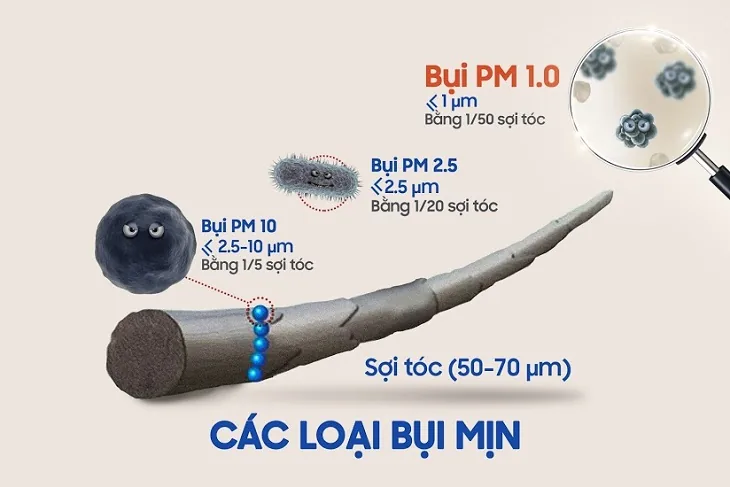
Dr. Tran Trong Uyen Minh, MD, PhD in charge of medical expertise Ear, Nose & Throat (ENT), Sante Hospital stated: “Fine particulate matter – Particulate Matter (PM2.5: particles with an aerodynamic diameter smaller than 2.5 microns, approximately 30 times smaller than a strand of human hair; PM10: particles with a diameter between 2.5 and 10 microns) is one of the most hazardous environmental agents affecting human health, particularly the respiratory tract. Upon inhalation, fine particles can penetrate deep into pulmonary tissue, triggering respiratory inflammation and exacerbating conditions such as bronchitis, asthma, and chronic obstructive pulmonary disease (COPD). In addition, fine dust induces irritation of the nasal and pharyngeal mucosa, potentially resulting in allergic rhinitis, sinusitis, and persistent pharyngitis.”

1. Health effects of fine particulate matter
- Respiratory system: Fine particulate matter can compromise pulmonary function, induce inflammatory responses, and heighten the risk of lung cancer under chronic exposure.
– Ear, Nose, and Throat: Frequent exposure to fine particulate matter may lead to allergic rhinitis, pharyngitis, throat dryness, and irritation or soreness across the nasopharyngeal area.
- Cardiovascular system: Substantial research has demonstrated that fine particulate matter can elevate the incidence of myocardial infarction and Stroke through its adverse impacts on the circulatory system.
- Nervous system: Chronic exposure to fine particulate matter can adversely affect cerebral function, lead to cognitive decline, and elevate the risk of neurological disorders.
2. Health protection measures against the impact of fine particulate matter
2.1 Use fine-dust protective masks
Specialized respirators such as N95 and N99 can filter fine particulate matter, helping reduce the risk of inhaling harmful dust particles. Wearing a mask is crucial when going outdoors, especially in areas with high levels of pollution.

2.2 Maintain personal hygiene and living environment
– Rinse the nose and throat daily with physiological saline to remove dust and debris.
- Limit opening windows on days with elevated air pollution levels.
- Operate an indoor air purification system to effectively lower fine particulate matter concentrations.
2.3 Nutrition and healthy lifestyle
– Support immune resilience by incorporating foods rich in vitamins C and E, as well as omega-3 fatty acids, into your daily diet.
- Maintain optimal hydration to facilitate the physiological clearance mechanisms of the respiratory tract.
- Curtail outdoor activities during periods of compromised air quality.
2.4 Air quality monitoring
Use Air Quality Index (AQI) monitoring applications to track pollution levels and implement appropriate preventive measures.
Fine particulate matter is a serious threat to health, particularly the respiratory system. Proactively safeguarding health by wearing masks, maintaining a clean living environment, ensuring balanced nutrition, and monitoring air quality will help minimize disease risk and enhance quality of life.
Contact us immediately for consultations and to book an appointment with leading specialists at Sante Hospital:
Address: 11A Dinh Bo Linh, Ward 14, Binh Thanh District, Ho Chi Minh City
Hotline: (+84) 28 2200 8686
Fanpage: www.facebook.com/benhviensante
Website: www.benhviensante.com
Proactively protect your health with our experienced specialist doctors and advanced medical equipment.
📞 BOOK AN APPOINTMENT NOW: (+84) 28 2200 8686 – (+84) 901 295 399
⏰ Monday – Saturday: Morning 7:30 AM – 12:00 PM, Afternoon 1:30 PM – 5:00 PM | 24/7 Emergency: ((+84) 937 389 539)
💳 Full nationwide health insurance coverage & Direct billing for private insurance accepted