
Essential Pediatric Urticaria (Hives) Care:
A Comprehensive Guide for Mothers

Pediatric urticaria is a frequent allergic dermatosis. Although rarely critical, the associated itching causes considerable distress. A clear understanding of its triggers enables parents to deliver precise home care and facilitate a prompt recovery.
Understanding Pediatric Urticaria: Clinical Overview and Etiology
What Is Pediatric Urticaria?
Urticaria in children is a condition characterized by the appearance of rashes on the skin due to irritation of the subcutaneous capillary system. There are two forms of urticaria: acute and chronic.
Acute urticaria is a condition characterized by red, itchy welts that occur over a short period, usually less than 6 weeks.
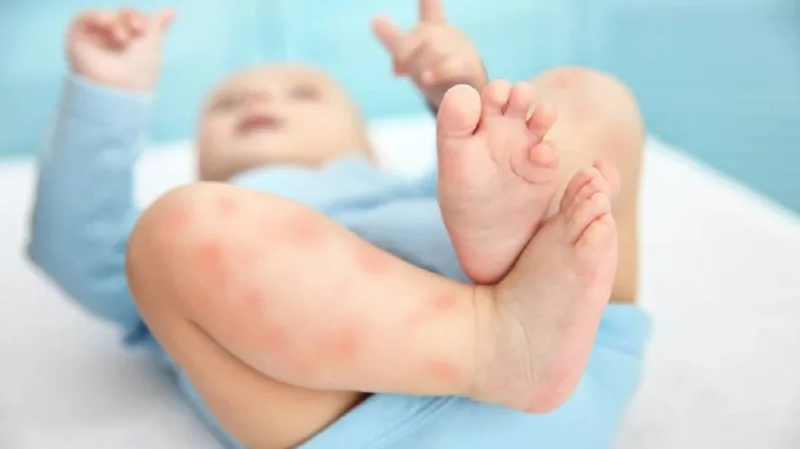
Does Pediatric Urticaria Pose a Serious Health Risk?
Chronic urticaria is defined by persistent or recurrent episodes lasting beyond six weeks, visible as erythematous papules or variable wheals. Accompanying symptoms may include intense pruritus, irritability, sleep disruption, mild fever, and decreased appetite.
Timely therapeutic intervention is essential to relieve distress and safeguard the child from complications such as secondary infection, anaphylaxis, or systemic immune compromise.
What Causes Urticaria in Young Children?
Food Allergies: Common food allergens—including seafood, fermented fish condiments, cow's milk, and soy—can trigger urticarial flare-ups.
Environmental triggers: Environmental triggers—such as dust, particulates, tobacco smoke, pollen, pet dander, along with bacteria, viruses, parasites, and fungi—may induce pediatric urticaria.
Medication-induced reactions: Certain antipyretics and analgesics may induce acute urticaria in children.
Climatic changes: Abrupt weather fluctuations, particularly during seasonal transitions or sudden cold spells, can precipitate urticaria in pediatric patients.
Insect bites and stings: Bites or stings from insects such as mosquitoes, ants, or mites can induce subcutaneous irritation, leading to localized pruritus, erythema, edema, and discomfort.
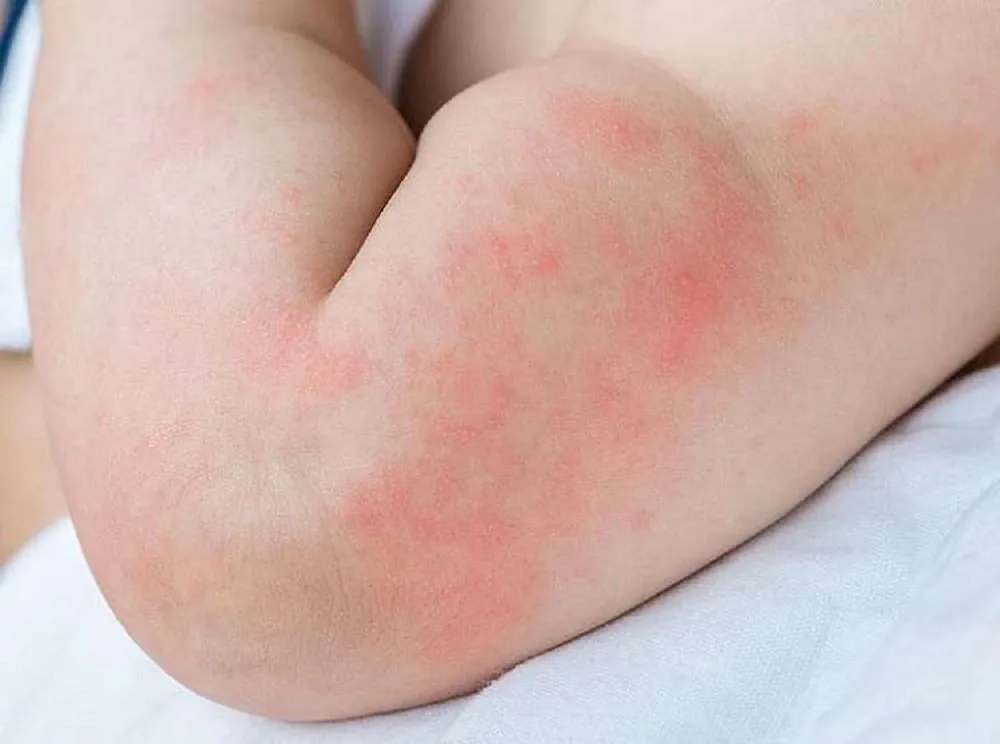
Etiology and Triggers of Pediatric Urticaria
Gentle Care Guidelines for Children with Urticaria
To alleviate pruritus and soothe your child's discomfort associated with urticaria, please consider the following supportive measures:
Cold compress therapy: Apply a cold pack or ice wrapped in a soft, clean towel to the erythematous areas for approximately 10 minutes. Gently reposition it across affected areas, repeating as needed throughout the day. Please verify the compress temperature beforehand and avoid prolonged contact to prevent cold-induced skin injury.
Appropriate apparel selection: Dress your child in loose-fitting, breathable garments crafted from soft, natural textiles. Avoid restrictive clothing that may cause mechanical friction against sensitized skin.
Skin hygiene management: Bathe your child in comfortably lukewarm water, refraining from the use of harsh soaps, cosmetic cleansers, or botanical rinses. Cleanse with gentle strokes without scrubbing irritated areas, and keep bath durations brief.
Should symptoms intensify or fail to subside, please consult a physician promptly for an individualized medical evaluation and treatment plan.
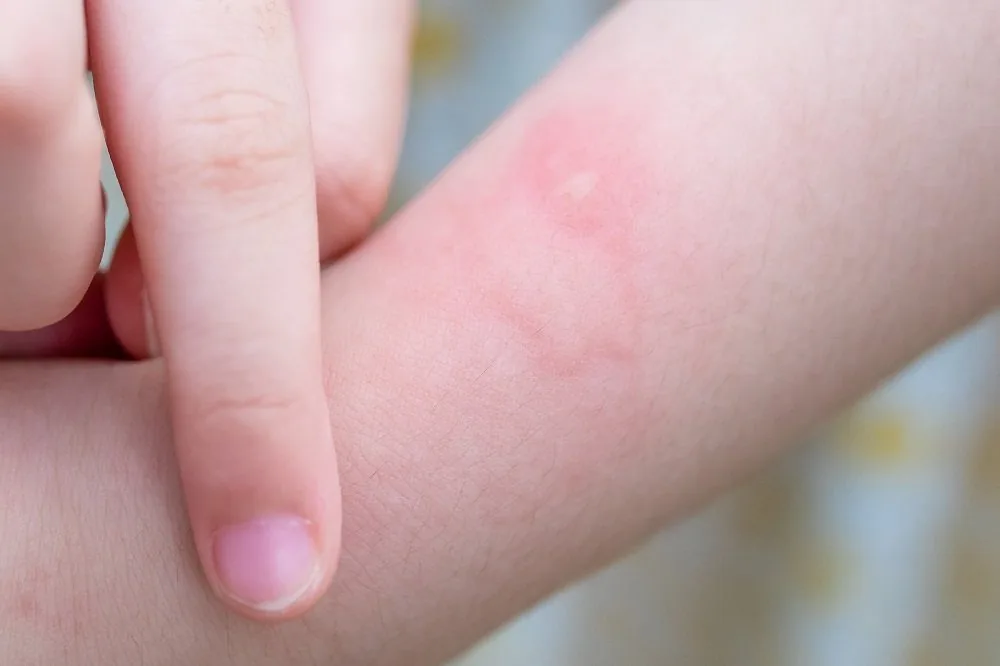
Comprehensive Management of Pruritic Urticaria in Children
Key Clinical Considerations in Pediatric Urticaria Care
Maintain an Impeccably Clean, Well-Ventilated Environment
Ensure your child's living space remains serene, pristine, and well-aerated. Regular damp cleaning and HEPA-filtered vacuuming help eliminate common triggers, including household dust mites, pollen, fungal spores, and environmental allergens.
Minimize Exposure to Potential Sensitizers
Limit outdoor activities in dense brush or unkept foliage, and restrict direct contact with domestic animals, dander, insects, and other known environmental irritants.
Limit Close Contact with Outside Visitors
During an acute flare-up of urticaria, minimize close physical contact with visitors to safeguard against heightened skin reactivity and the risk of secondary infections.
Discontinuation of Medication
If urticaria develops as a reaction to medication, discontinue its use immediately and consult your physician for appropriate alternatives or therapeutic adjustments.
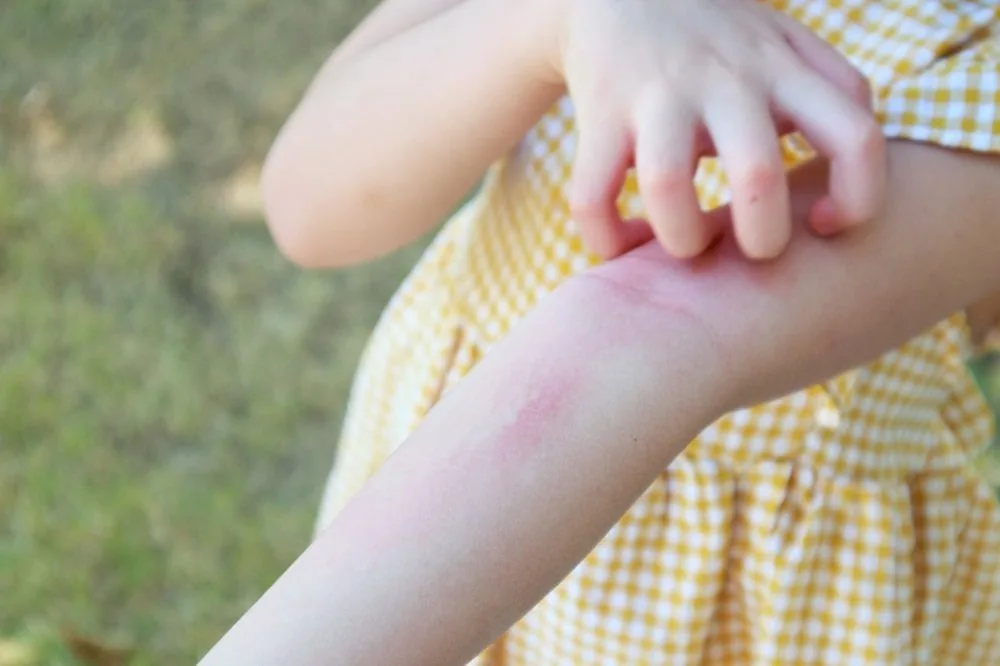
Parents are advised to maintain a clean, well-ventilated environment to ensure optimal comfort for their child.
Optimized Nutritional Support
Ensure comprehensive nutrition, particularly vitamin C, to support immune resilience and promote cutaneous recovery. High-risk allergenic foods should be carefully restricted.
Adequate Hydration
Encourage your child to maintain proper daily fluid intake to facilitate natural metabolic clearance and detoxification.
Seek Professional Clinical Consultation for Appropriate Care
Should your child exhibit symptoms of urticaria, visit a trusted medical center for an accurate evaluation and timely therapeutic intervention.
Avoid Unprescribed Medications or Topical Treatments
Avoid using any medications or topical creams on children without the prescription from a specialist doctor.
Hives in children can cause itching and discomfort. To reduce symptoms, keep the room clean, limit exposure to irritants, and provide proper nutrition for the child. Consult a doctor and do not self-medicate with drugs or topical creams.
Proactively protect your health with our experienced specialist doctors and advanced medical equipment.
📞 BOOK AN APPOINTMENT NOW: (+84) 28 2200 8686 – (+84) 901 295 399
⏰ Monday – Saturday: Morning 7:30 AM – 12:00 PM, Afternoon 1:30 PM – 5:00 PM | 24/7 Emergency: ((+84) 937 389 539)
💳 Full nationwide health insurance coverage & Direct billing for private insurance accepted