
Knee Osteoarthritis Is Not as Simple as We Think

Knee osteoarthritis is commonly described as the gradual wear and tear of articular cartilage over time, leading many to believe that treatment merely requires replenishing synovial fluid or replacing the damaged cartilage. However, the reality is far more complex: this condition affects not only the articular cartilage but is also intimately linked to the subchondral bone, synovium, ligaments, menisci, and the entire periarticular muscle system. Properly understanding this whole-joint disease is a critical step in choosing an appropriate treatment plan, preserving joint mobility, and enhancing the patient's quality of life.
1. What Is the Structure of the Knee Joint?
To understand why knee osteoarthritis is not simply a condition of cartilage wear, it is first necessary to understand the structure and function of the knee joint. The knee joint is one of the body's most critical weight-bearing joints, enabling daily activities such as walking, standing up, sitting down, climbing stairs, and engaging in sports.
The main components of the knee joint include:
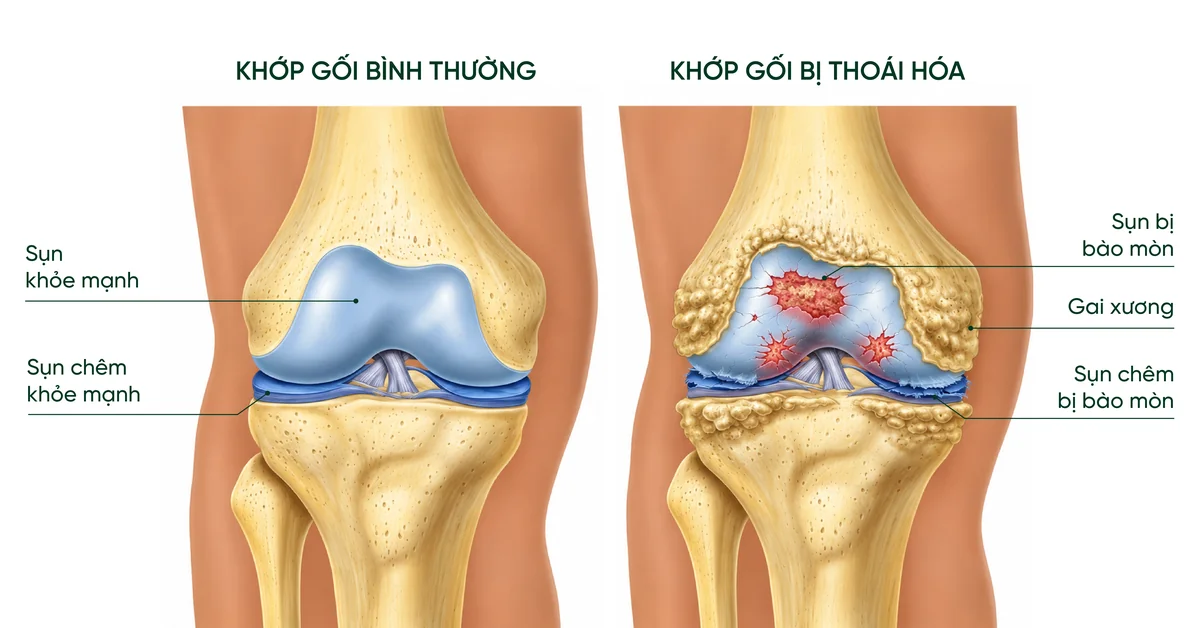
- Articular cartilage: A smooth layer of tissue covering the ends of bones that helps reduce friction between joint surfaces and distribute mechanical impact during movement. When articular cartilage is damaged, the joint surface gradually loses its smoothness, making walking and knee flexion and extension more difficult.
- Synovial fluid: Acts as a lubricant, facilitating the smooth movement of joint surfaces. Hyaluronic acid is an essential component that contributes to the viscous properties of synovial fluid.
- Synovial membrane: The layer of tissue lining the inner surface of the joint capsule, responsible for producing synovial fluid and maintaining an optimal environment for joint function. When the synovial membrane becomes inflamed, the joint may become swollen and painful, with increased fluid secretion.
- Ligaments: Helps stabilize the knee joint, control movement, and prevent joint instability during walking.
- Meniscus: Two cartilage structures located between the femur and tibia that function to distribute load, absorb shock, and support joint stability.
- Periarticular muscular system: Particularly the quadriceps femoris, which helps extend the knee, stabilize the lower extremity, and support activities such as standing up, sitting down, or climbing stairs.
In addition, the knee joint coordinates with the hip and ankle joints to facilitate lower limb locomotor function. Limb alignment, joint stability, and muscular strength all contribute to proper load distribution during movement. When one or more components within this system are impaired, knee joint mobility can be significantly compromised.
2. Knee Osteoarthritis Is Not Merely Cartilage Wear
In knee osteoarthritis, articular cartilage damage is one of the most recognizable changes. However, the pathological process also involves numerous other intra-articular and periarticular structures.
2.1. Damaged Articular Cartilage Impairs Movement
In the early stages, patients may experience pain during prolonged walking, standing, or climbing stairs. Some cases present with crepitus during knee flexion and extension. As articular cartilage damage progresses, the joint's ability to dissipate load and reduce friction diminishes. Pathological changes in the subchondral bone and associated structures also contribute to increased pain, joint stiffness, and restricted mobility.
Importantly, knee joint noises do not definitively indicate osteoarthritis. To determine the underlying cause, patients should undergo clinical examination and evaluation supported by appropriate diagnostic modalities.
2.2. An inflamed synovial membrane can cause knee joint swelling and pain
Knee osteoarthritis is not merely a process of mechanical wear and tear. Synovial inflammation (synovitis) may also develop and contribute to disease progression. When synovitis occurs, patients may experience symptoms such as:
- Swelling of the knee joint or joint effusion (fluid in the joint).
- Pain intensifies with movement or during an acute inflammatory flare-up of the joint.
- A sensation of tightness or fullness, especially during knee flexion.
- Limited range of motion in joint flexion and extension.
In some patients, pain no longer occurs solely during ambulation, but also disrupts sleep and daily activities. Inflammation can coexist with cartilage degradation and subchondral bone changes, creating a far more complex pathology than the conventional view of osteoarthritis as simple cartilage wear.
2.3. Ligaments, menisci, and thigh muscles are also affected
As knee degeneration and deformity progress, load distribution across the joint compartments can shift. This increases contact stress on specific areas of the joint while compromising the function of the ligaments and surrounding periarticular tissues.
The meniscus may degenerate, tear, or progressively lose its shock-absorbing capacity. In certain cases, meniscal lesions can cause pain, restricted range of motion, or joint locking symptoms. Furthermore, prolonged pain often causes patients to reduce physical activity to avoid discomfort. If this persists, the quadriceps muscle may weaken and atrophy, diminishing the knee joint's load-bearing capacity and making activities such as rising from a low chair, climbing stairs, or walking on uneven surfaces increasingly difficult.
3. Signs of Knee Osteoarthritis You Should Not Ignore
Symptoms of knee osteoarthritis may vary depending on the extent of joint damage and individual health status. Common manifestations include:
- Knee joint pain during movement: Pain may occur when walking, standing for long periods, climbing stairs, or changing posture.
- Joint stiffness after rest: Patients experience difficulty flexing and extending the knee upon waking up or after prolonged sitting.
- Crepitus during movement: The joint may produce sounds during flexion and extension. However, it must be evaluated in conjunction with other symptoms to determine the underlying cause.
- Joint swelling and tightness: May occur when there is joint effusion or the synovial membrane is inflamed.
- Difficulty straightening or bending the knee: Patients may no longer be able to achieve the full range of joint motion, affecting their gait and daily activities.
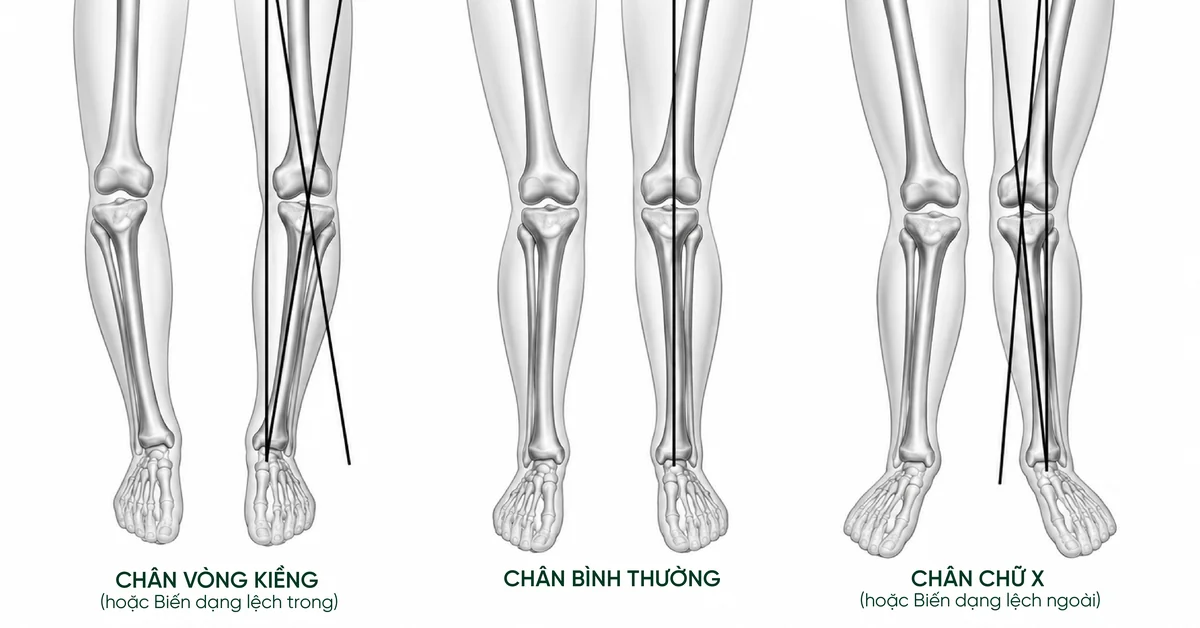
- Bowed legs or knee joint deformity: In advanced stages, limb alignment may alter, causing the legs to bend inward or outward.
- Thigh muscle weakness, gait instability: Prolonged pain and reduced mobility can weaken the muscles around the knee, increasing difficulty when moving.
In particular, if the knee joint suddenly becomes swollen, warm, erythematous (red), severely painful, or accompanied by a fever, patients should seek immediate medical evaluation to rule out acute etiologies such as septic arthritis or other inflammatory arthropathies. Patients should not rely solely on joint sounds (crepitus), pain intensity, or leg alignment to self-diagnose the stage of the disease.
4. Why Can Knee Osteoarthritis Cause Leg Deformity and Difficulty Walking?
One of the notable changes as knee osteoarthritis progresses is lower limb malalignment (mechanical axis deformity). In some patients, the knee joint may deform into a varus (inward) or valgus (outward) alignment. When the limb axis shifts, mechanical loads are no longer distributed evenly across the joint compartments.
For instance, when a varus deformity occurs, the mechanical load becomes disproportionately concentrated on the medial compartment. Prolonged stress on this area contributes to progressive joint destruction and exacerbates structural deformity. Concurrently, altered joint geometry can compromise ligamentous tension and function, leading to joint instability during ambulation.
Another issue is that patients often tend to keep the knee slightly flexed to relieve discomfort. If sustained, this knee extension deficit can alter gait mechanics, increase quadriceps demand, and cause premature muscle fatigue. When coupled with muscle atrophy, joint pain, and instability, functional mobility can decline significantly. This is why the management of knee osteoarthritis should not focus solely on pain relief; clinicians must comprehensively evaluate joint status, limb alignment, muscle strength, and mobility.
5. The Role of the Inflammatory Process in Knee Osteoarthritis
Previously, osteoarthritis was viewed primarily through the lens of mechanical wear and tear resulting from articular cartilage erosion. However, current understanding demonstrates that inflammatory processes also play a crucial role in disease pathogenesis and progression.
Pathological changes in the articular cartilage, subchondral bone, and synovium interact with one another. Inflammatory mediators released within the joint can drive tissue breakdown, while damaged tissues further perpetuate the inflammatory response. This process can create a vicious pathological cycle, leading to persistent joint damage and chronic pain.
Beyond localized joint effects, studies are also investigating the link between osteoarthritis, systemic inflammation, and various other conditions. However, a clear distinction must be made between statistical correlation and causality. Currently, there is insufficient evidence to conclude that knee osteoarthritis directly causes neurodegenerative or cardiovascular diseases. Continued research into inflammatory mechanisms remains critical for developing more effective therapies aimed at symptom control and disease modification.
6. Treatment of Knee Osteoarthritis: Why Is a Multimodal Approach Necessary?
Because knee osteoarthritis involves multiple anatomical structures and pathological mechanisms, treatment should not rely on a single modality. Depending on the extent of damage, symptoms, mobility, and overall health status, physicians may consider a multimodal approach to alleviate pain, improve joint function, and help patients maintain their quality of life.
6.1. Activity Modification and Weight Management
Patients should adjust their activity intensity according to the load tolerance of their knee joint, avoiding activities that significantly exacerbate pain. In individuals who are overweight or obese, weight loss can reduce mechanical stress on the knee joint and alleviate symptoms. Maintaining appropriate physical activity is crucial; patients should not completely cease movement solely due to joint pain, as prolonged inactivity can lead to muscle weakness and further impair joint function.
6.2. Physical Therapy and Rehabilitation
A rehabilitation program may include quadriceps strengthening exercises, range-of-motion improvements, balance training, and neuromuscular movement control. Exercise regimens must be tailored based on pain levels, mobility, and the patient's specific condition. For individuals with muscle weakness, knee extension deficits, or gait instability, rehabilitation plays an essential role in improving functional mobility and maintaining independence in activities of daily living.
6.3. Pharmacotherapy and Supportive Treatments
Depending on the case, physicians may prescribe analgesics, anti-inflammatory medications, or other therapeutic modalities to manage symptoms. Intra-articular injections, such as corticosteroids or hyaluronic acid, may be considered for select patients based on clinical indications and joint condition. However, viscosupplementation is not suitable for everyone and cannot fully restore damaged articular cartilage. Patients should not self-medicate or undergo joint injections without prior clinical evaluation by a physician.
6.4. Knee Arthroplasty (Replacement Surgery) When Indicated
When knee osteoarthritis progresses to a severe stage, causing persistent pain, significantly impaired mobility, and conservative treatments are no longer effective, a doctor may consider knee replacement surgery. The procedure aims to replace damaged articular surfaces with prosthetic components, thereby helping relieve pain and improve joint function. The decision to undergo surgery must be based on multiple factors, including the extent of joint damage, symptoms, impact on daily activities, overall health status, and the patient's preferences.
7. Multidisciplinary Approach to Knee Osteoarthritis Treatment at Sante Hospital
At the Department of Orthopedics – Sante Hospital, patients undergo comprehensive examination and assessment of their knee condition to evaluate the extent of damage, joint mobility, and determine the most appropriate treatment plan.
For cases requiring knee replacement surgery, treatment focuses not only on surgical technique but also places high priority on preoperative preparation, postoperative monitoring, and rehabilitation. A multidisciplinary care model facilitates coordination among relevant specialties, enabling comprehensive health evaluation, optimization of preoperative conditions, and the development of an individualized care plan for each patient.
In addition, the rehabilitation process is emphasized to help patients progressively improve their mobility according to their health status and medical guidance. For patients indicated for knee replacement, the surgeon will select an appropriate surgical technique tailored to their specific anatomy and extent of joint damage. Soft-tissue-preserving surgical approaches, including tendon- and muscle-sparing techniques where appropriate, may be considered based on clinical indications.
An early postoperative rehabilitation program may also be implemented to aid in pain management, promote early mobilization, and help patients gradually resume appropriate daily activities. The timing of walking training, the extent of recovery, and the discharge date depend on each patient's overall health status, treatment method, and individual response. Guided by a philosophy of wholehearted care, Sante Hospital emphasizes close collaboration between the medical team and the patient throughout the treatment journey, from initial consultation to postoperative recovery.

8. When Should You Seek Medical Evaluation for Knee Osteoarthritis?
If you experience frequent knee pain, difficulty walking, or progressively declining mobility, you should proactively consult an Orthopedic specialist. In particular, seeking medical evaluation should not be delayed if any of the following symptoms appear:
- Persistent knee pain affecting work and daily activities.
- Difficulty standing up, sitting down, or climbing stairs.
- Recurrent knee joint swelling or restricted flexion and extension.
- Leg deformity, altered gait, or gait instability.
- Pain disrupts sleep and significantly impairs quality of life.
Early evaluation helps determine the underlying cause of pain, assess the extent of joint damage, and select an appropriate treatment plan. Not all cases of knee pain are caused by osteoarthritis; therefore, patients must receive an accurate clinical diagnosis prior to initiating treatment.
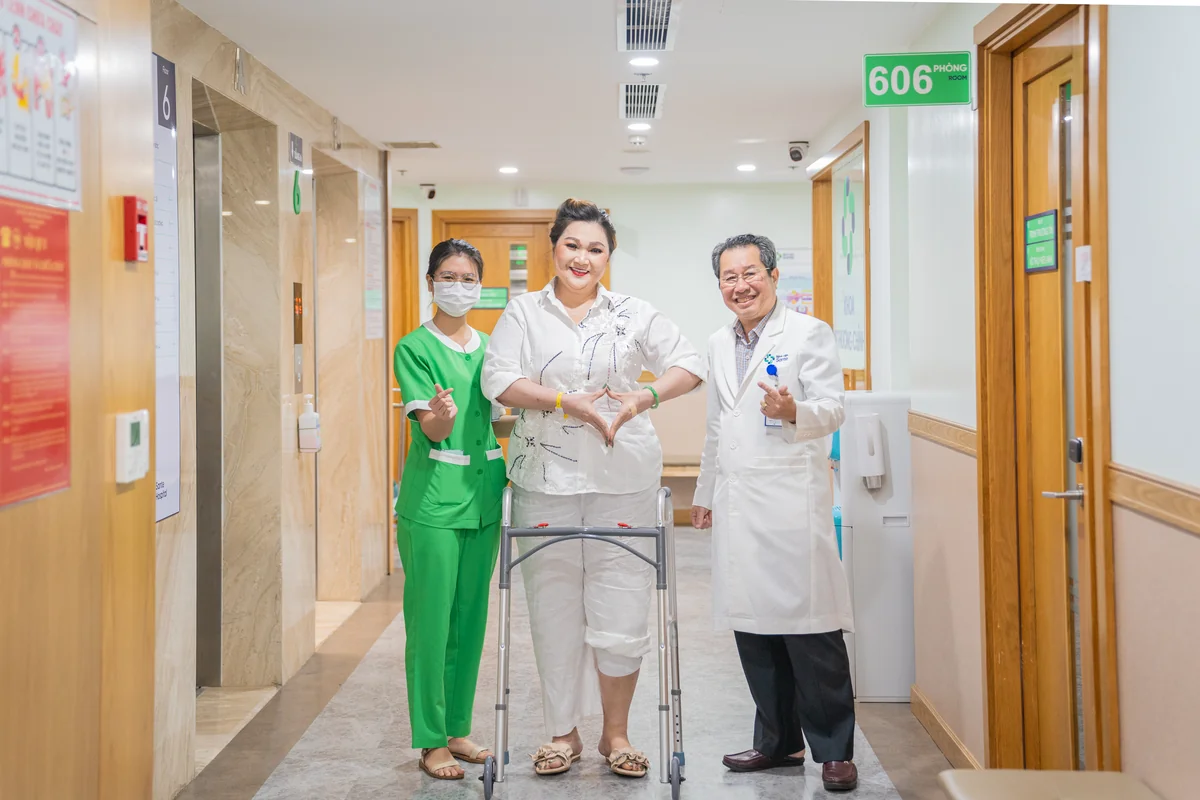
Video: Patient restoring mobility and undergoing gait rehabilitation following knee joint treatment at Sante Hospital.
9. Frequently Asked Questions (FAQ) About Knee Osteoarthritis
1. Is knee osteoarthritis simply cartilage wear?
No. Knee osteoarthritis is a whole-joint disease that affects the entire joint organ, including the articular cartilage, synovium, synovial fluid, subchondral bone, menisci, ligaments, and periarticular musculature (particularly the quadriceps femoris). Treatment focusing solely on cartilage or lubricant supplementation is insufficient.
2. Why do patients with knee osteoarthritis develop bowlegs (O-shaped legs) or knock-knees (X-shaped legs)?
When the cartilage layer in one joint compartment is severely eroded, weight-bearing stress shifts toward that side, leading to joint space narrowing and mechanical axis deformity. This altered limb axis further increases compressive load, progressively causing the leg to bow into an O-shape (varus) or an X-shape (valgus).
3. Should you completely avoid physical activity when experiencing knee pain?
Complete bed rest or immobilization must be strictly avoided. Articular cartilage receives nutrients via synovial fluid through joint flexion and extension during movement. Prolonged inactivity rapidly causes thigh muscle atrophy, joint stiffness, and accelerates cartilage degeneration. Patients should maintain low-impact activities such as swimming, stationary cycling, or walking within their tolerance.
4. When is knee replacement surgery indicated for patients with knee osteoarthritis?
Knee replacement surgery is considered when the condition advances to a severe stage, pain is persistent, walking ability is severely impaired, and conservative treatments (medications, physical therapy, intra-articular injections) are no longer effective after specialist follow-up.
Screening & Treatment for Knee Pain with Sante Specialists
If you are experiencing knee joint issues, persistent pain, or difficulty walking, visit the Department of Orthopedics – Sante Hospital for a specialist examination, a comprehensive limb alignment assessment, and consultation on the most appropriate treatment plan.