
Common Dangerous Eye Conditions Everyone Should Be Vigilant About


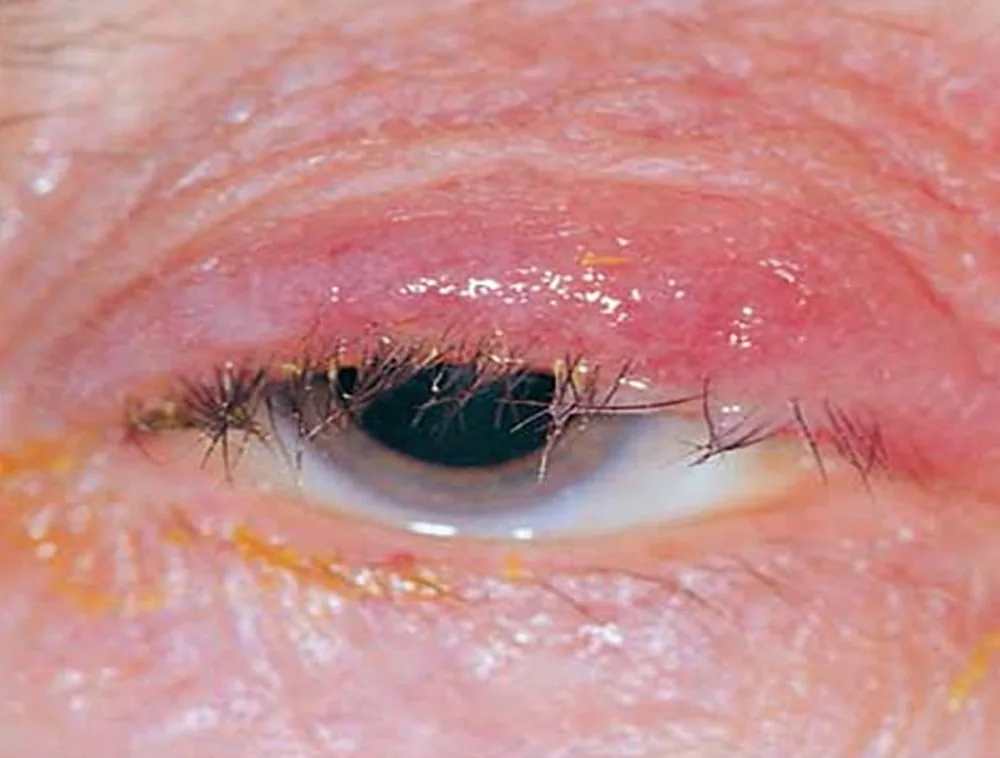
1.Blepharitis
It is an inflammation of the eyelids. Blepharitis commonly affects both eyes along the eyelid margins.
Blepharitis often occurs when the tiny oil glands near the base of the eyelashes become clogged, causing irritation and redness. Several diseases and conditions can cause blepharitis.
Blepharitis is often a chronic condition that is difficult to treat. Blepharitis can cause discomfort and be unsightly. But it usually does not cause permanent damage to your eyesight and is not contagious.
2 Trichiasis
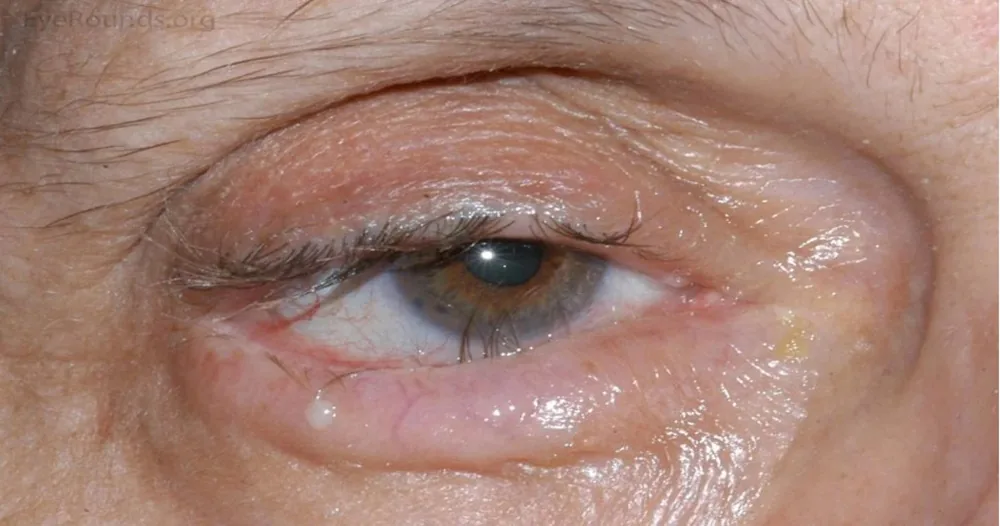
Trichiasis is a common condition frequently encountered in middle-aged and elderly individuals, and occasionally in young people, which is often mistaken for entropion.
Trichiasis is a condition in which the eyelashes grow inward toward the eyeball, while the eyelid margin remains in its normal anatomical position.
What is trichiasis? This is a common ocular disorder that is easily confused with entropion. If left untreated, trichiasis can lead to various ocular complications, such as ocular irritation, corneal injury, or infection. Furthermore, trichiasis causes significant discomfort, producing a persistent foreign body sensation in the affected eye.
3. Refractive errors:
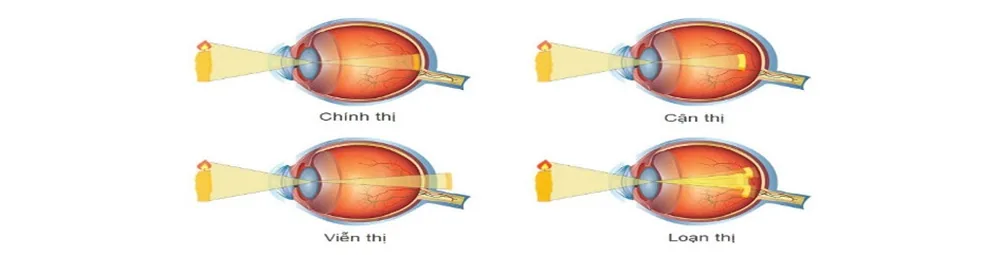
Refractive error is a condition in which light from an object does not focus directly on the retina, but in front of, behind, or at multiple points on the retina, leading to a blurred image and preventing us from seeing the object clearly.
There are 04 types of refractive errors: Myopia, Hyperopia, Astigmatism, Presbyopia
4. Conjunctival Concretions:
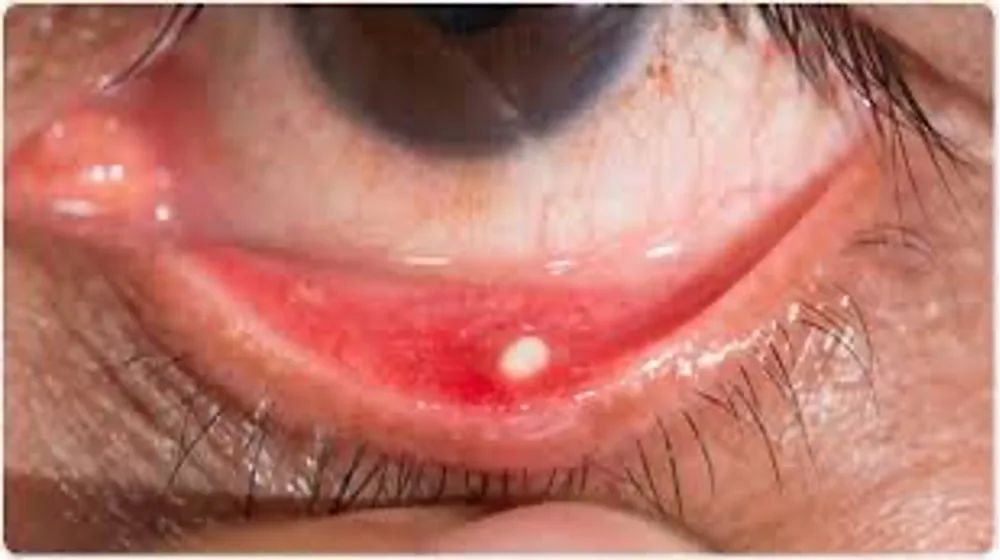
Conjunctival concretions is a condition of calcium deposition beneath the layer of conjunctiva tarsal plate of the eyeball. There may be 1 or more conjunctival concretions on the eyelids of 1 or both sides.
Conjunctival concretions can occur at any age. The exact etiology of this condition remains unclear, but experts believe it is related to individual constitution. Calcareous deposits can form in various parts of the body, but because they are visible in the eye, they are more easily detected.
Conjunctival concretions are not life-threatening, but if present in large quantities, they can cause foreign body sensation in the eye.
If conjunctival concretions are few or small, they may remain asymptomatic and are only discovered incidentally during an eye examination. If the concretions are numerous or large, the common symptom is a gritty foreign-body sensation as if sand is in the eye, prompting frequent blinking, rubbing, and tearing, although your visual acuity remains normal.
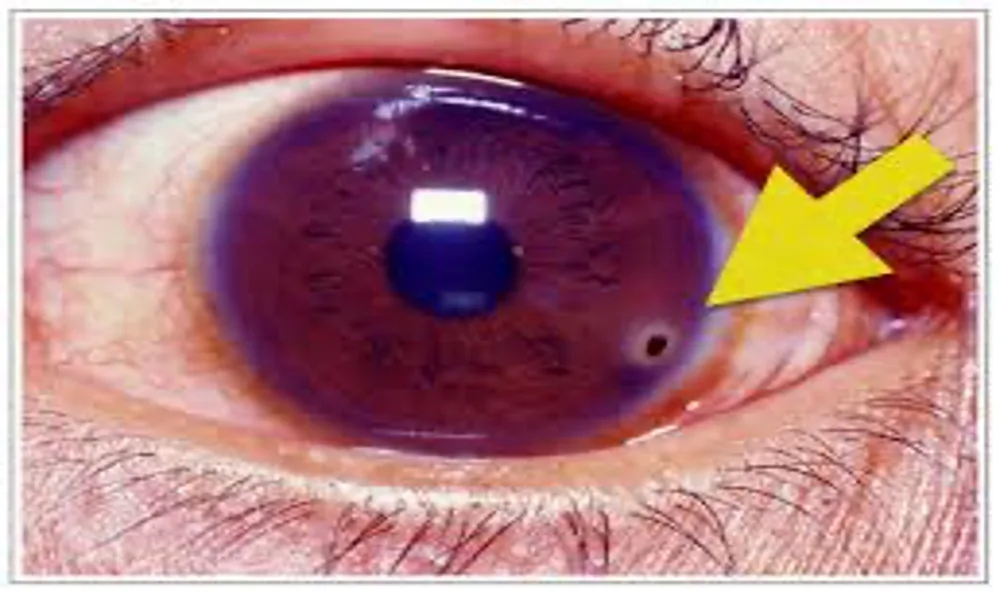
5. Corneal Foreign Body:
Corneal foreign bodies are external objects adhering to the cornea, causing corneal damage.
Depending on the depth of penetration, corneal foreign bodies can be divided into 2 types:
-
Superficial corneal foreign body: Foreign body embedded in the corneal epithelium
-
Deep corneal foreign body: Foreign body embedded in the cornea from Bowman's layer to the endothelium
Most cases of ocular foreign bodies are mild and can resolve spontaneously within a few days to weeks with proper care. For instance, simple foreign material such as sand and dust typically only causes irritation, ocular erythema, and epiphora. In such cases, simply irrigating the foreign material with clean water and instilling prescribed eye drops to prevent infection is sufficient.
However, in many cases where the eye is severely injured by a foreign object, you need to go to the hospital early for a procedure to avoid worsening the condition.
6. Cataracts:
Cataracts are a dangerous eye disease that needs to be detected early for timely treatment.
Cataracts lead to progressive visual impairment and represent the leading cause of blindness globally, affecting an estimated 25 to 50 million individuals worldwide.
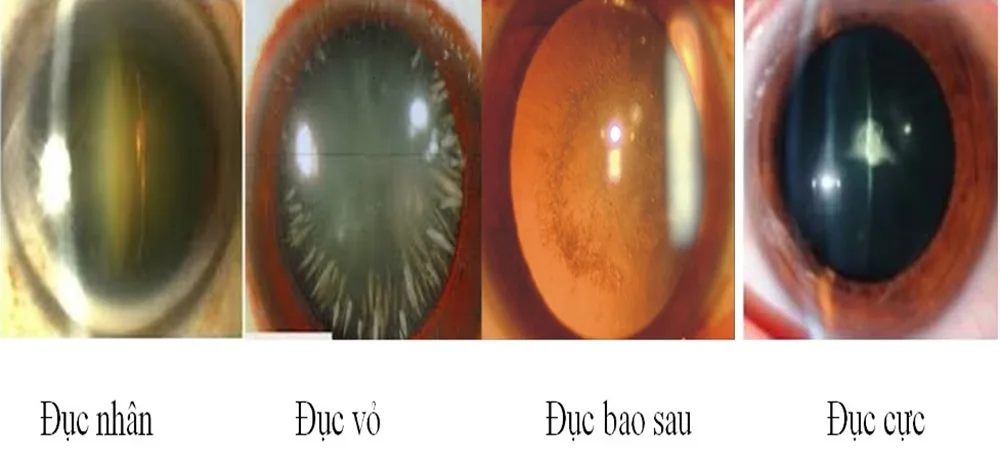
Cataracts (also known as nuclear cataract, hard cataract, senile cataract) is a visual impairment condition caused by alterations in the protein structure of the lens under the influence of harmful substances generated from within the body or from the external environment. The most common cause is aging.
Most cataracts progress slowly, initially causing no discomfort or distinct symptoms. Over time, however, the condition impairs visual acuity and makes it difficult for patients to drive, read, or perform daily activities.
An altered protein ratio disrupts the thickness, curvature, transparency, and elasticity of the crystalline lens, causing lens opacification. This impedes the transmission of light, resulting in visual impairment or even blindness.
7. Conjunctivitis:
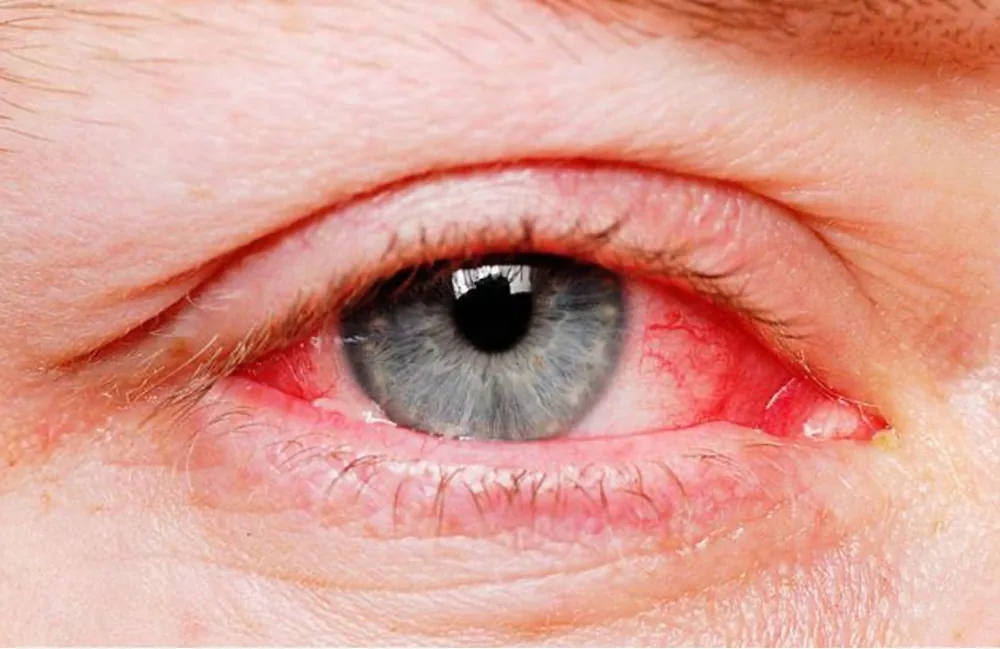
Blepharoconjunctivitis commonly occurs during the summer, causing discomfort and impairing daily activities. Although conjunctivitis is generally not life-threatening, it can lead to severe complications if not treated promptly.
Blepharoconjunctivitis commonly occurs during the summer, causing discomfort and impairing daily activities. Although conjunctivitis is generally not life-threatening, it can lead to severe complications if not treated promptly.
8. Lacrimal Duct Obstruction:
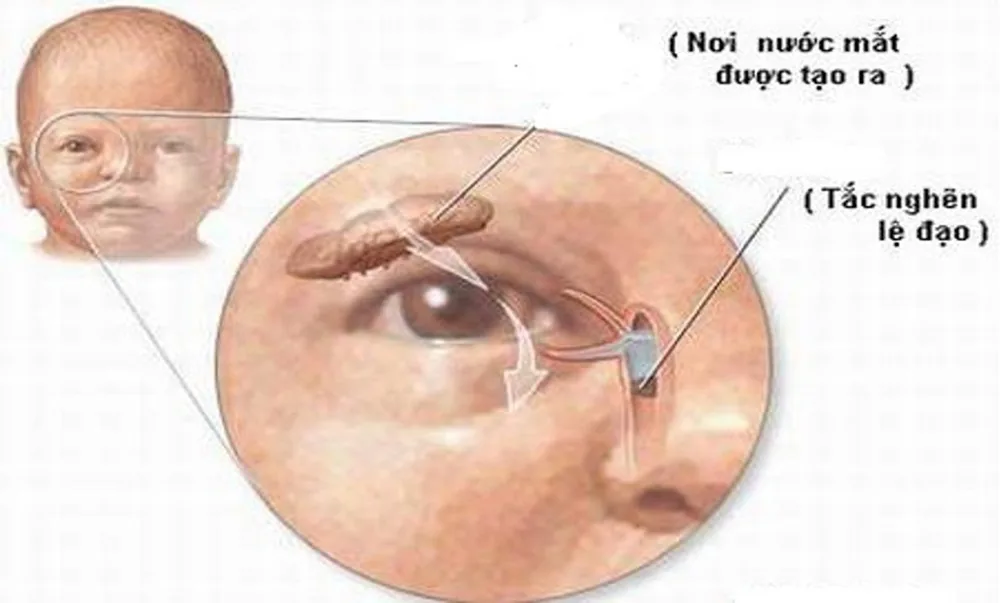
Persistent epiphora, commonly referred to as continuous tearing, often causes discomfort and disrupts daily activities. This condition can manifest at any age but is most prevalent in neonates, with nasolacrimal duct obstruction being the most common underlying etiology.
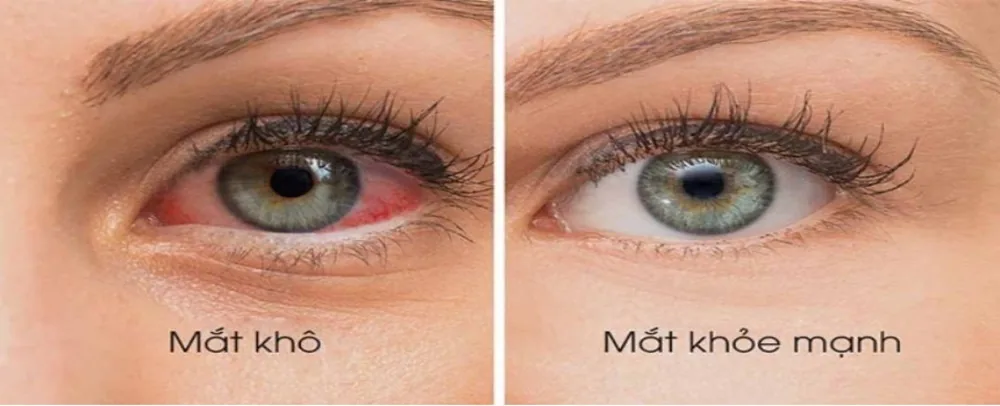
9. Dry Eyes:
Dry eye disease is a common condition that occurs when your tears are unable to provide adequate moisture and lubrication for the surface of the eyeball. Tears can be inadequate and unstable for various reasons. For example, dry eye can occur if you do not produce enough tears or if you produce poor-quality tears.
10. Keratitis:
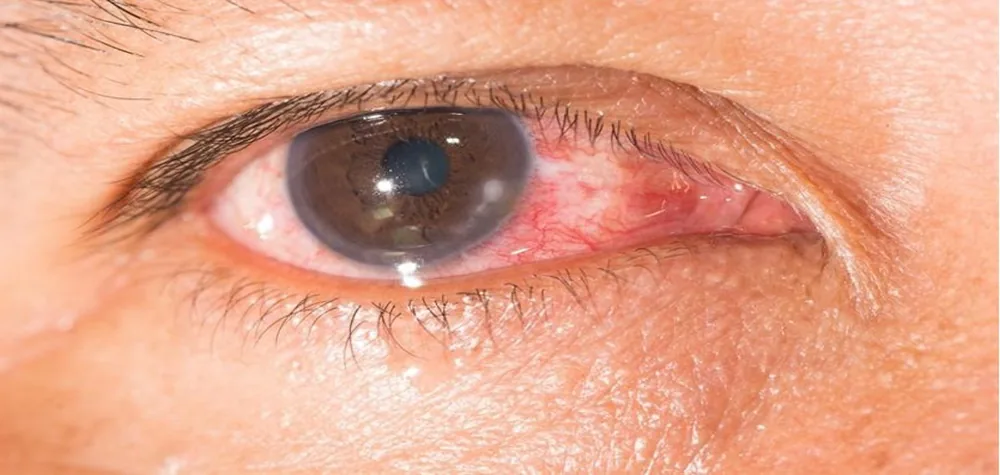
Keratitis is a condition in which the cornea, a transparent, dome-shaped surface that covers the iris and pupil, becomes swollen or inflamed, causing eye redness, pain, and impaired vision. Keratitis is sometimes accompanied by corneal ulceration, also known as ulcerative keratitis.
11. Glaucoma:
Glaucoma is a group of related eye disorders that cause damage to the optic nerve carrying information from the eye to the brainIn the majority of cases, glaucoma is closely associated with elevated intraocular pressure—a clinical state termed ocular hypertension.
Medically reviewed by Specialist Doctor I Nguyen Minh Loi – Ophthalmologist, Sante Hospital
Proactively protect your health with our experienced specialist doctors and advanced medical equipment.
📞 BOOK AN APPOINTMENT NOW: (+84) 28 2200 8686 – (+84) 901 295 399
⏰ Monday – Saturday: Morning 7:30 AM – 12:00 PM, Afternoon 1:30 PM – 5:00 PM | 24/7 Emergency: ((+84) 937 389 539)
💳 Full nationwide health insurance coverage & Direct billing for private insurance accepted