
Acute kidney injury: signs and causes

Acute kidney injury (AKI) is when your kidneys suddenly stop working, leading to a loss of kidney function ranging from mild to more severe complete kidney failure. AKI usually occurs as a complication of another serious illness. This type of kidney damage is commonly seen in older adults who are suffering from other medical conditions that affect the kidneys. AKI is different from chronic kidney disease (CKD)- a condition in which the kidneys gradually lose function over a long period of time.
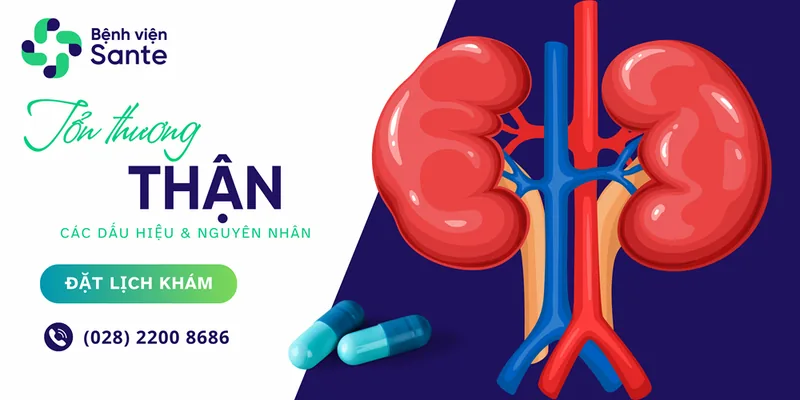
Common symptoms of AKI include:
-
Fatigue
-
Diarrhea
-
Limb Edema
-
Urinating less than normal
-
Confusion
-
Somnolence
If the kidneys cease functioning completely, the patient will require temporary support from a hemodialysis machine, otherwise the risk of mortality is exceptionally high.
Who is at risk for AKI?
A person is more likely to develop AKI if:
-
Over 65 years old
-
Having kidney problems, such as chronic kidney disease
-
Having a chronic disease, such as heart failure, liver disease, or diabetes
-
Currently dehydrated (due to loose stools, vomiting, blood loss…)
-
Urinary tract obstruction (urinary calculi, benign prostatic hyperplasia, tumors compressing the urinary tract…)
-
Severe infection or sepsis
-
Taking certain medications, including non-steroidal anti-inflammatory drugs (NSAIDs, such as ibuprofen) or blood pressure medications, such as ACE inhibitors or diuretics (diuretics are usually beneficial for the kidneys, but can become harmful when the patient is dehydrated or severely ill)
-
Use of aminoglycoside antibiotics – however, this is only a concern if the patient is dehydrated or requires long-term administration
Causes of AKI
+ Most cases of AKI are due to reduced blood flow to the kidneys, which may be caused by:
-
Blood loss, vomiting, diarrhea, or severe dehydration
-
The heart pumps out less blood than normal due to heart failure, hepatic failure, or sepsis
-
Vascular disorders—such as inflammation and occlusion of renal blood vessels (a rare clinical entity known as renal vasculitis)—Vasculitis )
-
Certain medications can affect the kidneys (NSAIDs, ACEIs/ARBs, diuretics, contrast agents, antibiotics…)
+ Certain intrinsic renal diseases, such as glomerulonephritis.
+ AKI can also result from urinary tract obstruction, such as:
-
Benign prostatic hyperplasia
-
Pelvic tumors, such as ovarian, colorectal, or bladder tumors
-
Kidney stones
AKI affects the entire body, alters the metabolism of certain medications, and can exacerbate pre-existing conditions. Therefore, early detection and rigorous management of AKI are critical.
Medically reviewed by Doctor Nguyen Tung Long, MD - Internal Medicine Specialist at Sante Hospital
Contact us immediately for consultations and to book an appointment with leading specialists at Sante Hospital:
Address: 11A Dinh Bo Linh, Ward 24, Binh Thanh District, Ho Chi Minh City
Hotline: (+84) 28 2200 8686
Fanpage: www.facebook.com/benhviensante
Website: www.bvsante.com
Proactively protect your health with our experienced specialist doctors and advanced medical equipment.
📞 BOOK AN APPOINTMENT NOW: (+84) 28 2200 8686 – (+84) 901 295 399
⏰ Monday – Saturday: Morning 7:30 AM – 12:00 PM, Afternoon 1:30 PM – 5:00 PM | 24/7 Emergency: ((+84) 937 389 539)
💳 Full nationwide health insurance coverage & Direct billing for private insurance accepted