
Acute and chronic laryngitis - Causes, symptoms, and prevention methods

Table of Contents

What Is Laryngitis? Clinical Overview
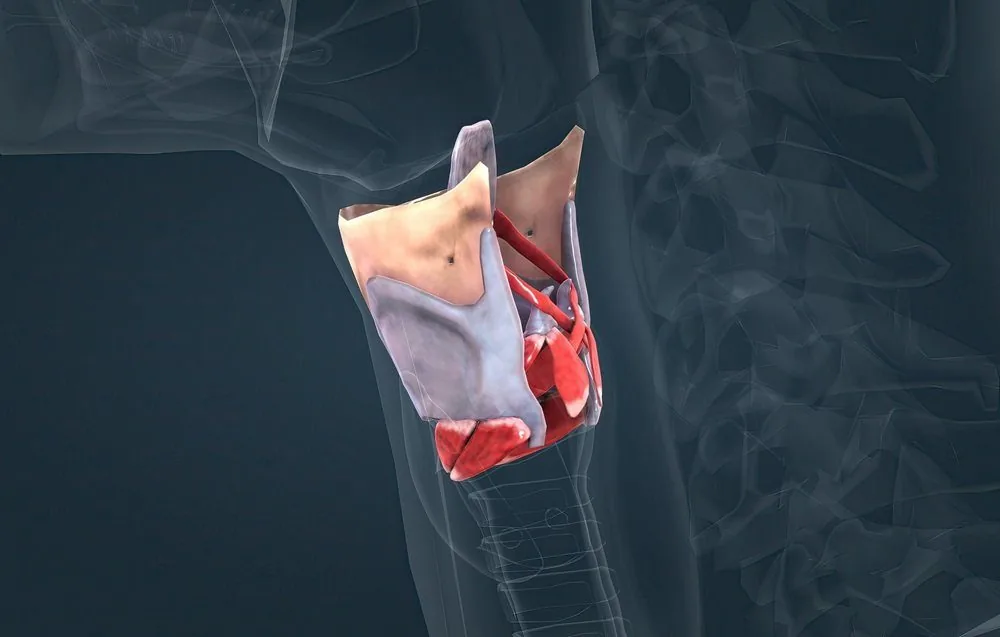
- The larynx is an anatomical structure positioned at the superior aspect of the neck, functioning critically in respiration, phonation, and aspiration prevention during deglutition. Composed of cartilages, intrinsic muscles, and vocal cords lined with a delicate mucosal membrane, laryngeal inflammation leads to vocal cord edema and distortion, significantly altering vocal timbre and acoustic quality.
- Laryngitis is a common clinical disorder that affects individuals across all age groups, with higher prevalence observed among vocal professionals such as educators, vocalists, actors, and broadcasters…
Classification and Clinical Staging of Laryngitis
- Laryngitis is chronologically categorized into two distinct forms: acute laryngitis and chronic laryngitis.
- Acute laryngitis is an acute inflammatory condition of the laryngeal mucosa that may remain confined to the mucosal surface or infiltrate deeper structures, progressing from hyperemia and edema, mucosal ulceration, to myositis and chondral necrosis
- Symptoms include: Throat dryness, painful swallowing (odynophagia); hoarseness progressing at times to complete aphonia; a persistent cough that may be dry or productive with white, yellow, or greenish sputum; generalized chills and body aches.
- General Endoscopic Findings: Mucosal hyperemia, edema of the vocal cords and arytenoid cartilages, erythematous swelling of the epiglottis, and mucus pooling at the posterior commissure and glottis.
- Chronic laryngitis is a persistent laryngeal inflammation persisting beyond three weeks, induced by prolonged exposure to irritants such as tobacco smoke, airborne particulate matter, chemical fumes, gastroesophageal reflux disease, chronic sinusitis, active smoking, alcohol intake, or vocal overuse… Chronic laryngitis presents with protracted symptoms including hoarseness, aphonia, throat discomfort, persistent cough, and habitual throat clearing…
- Laryngoscopy: mucosal secretions pooling at the anterior ⅓ and middle segments of the vocal cords; vocal cord mucosa exhibits hyperemia.
Etiology and Clinical Symptoms
- The etiological factors responsible for acute and chronic laryngitis have been delineated in the classification section.
- The clinical presentations of acute and chronic laryngitis also exhibit clear distinctions:
- Acute laryngitis typically presents with the following symptoms:
- Hoarseness or complete voice loss (aphonia).
- Sore throat, persistent pharyngeal dryness, and painful swallowing.
- Low-grade fever, dry cough or productive cough with white, yellow, or greenish sputum, dyspnea, chills, and generalized myalgia.
- Additional symptoms may accompany the presentation depending on the etiology, including rhinorrhea, pharyngitis, and tonsillitis.
- Chronic laryngitis characteristically manifests with symptoms such as:
- Prolonged hoarseness, vocal fatigue or weakness, and noticeable changes in vocal pitch.
- Throat discomfort accompanied by dryness, persistent irritation, and a burning sensation.
- Hypersecretion of mucus, most pronounced upon waking in the morning.
- Other manifestations may occur depending on the primary cause, such as pyrosis (heartburn), chest discomfort, and chronic sinusitis.

Treatment Protocols and Clinical Complications of Laryngitis
- The therapeutic strategy for acute and chronic laryngitis is guided by the underlying etiology. Common clinical interventions include:
- Acute laryngitis resulting from viral or bacterial infections: Medications—including antibiotics, antivirals, anti-inflammatory agents, analgesics, and antipyretics—should be taken strictly as prescribed by a physician. In addition, patients are advised to observe vocal rest, maintain adequate hydration, and avoid exposure to environmental irritants such as cigarette smoke, airborne dust, and chemicals.
- Chronic laryngitis caused by prolonged exposure to irritants: Patients must eliminate known triggers by discontinuing smoking and alcohol consumption, and refraining from vocal strain such as shouting, singing, or speaking loudly. Concurrent underlying conditions—including gastroesophageal reflux disease (GERD), chronic sinusitis, and asthma—must also be actively managed. Prescribed regimens may include anti-inflammatory, analgesic, antiallergic, and anti-reflux therapies. Where indicated, surgical intervention may be required to resect laryngeal masses, polyps, cysts, or fibrotic scarring.
- Chronic laryngitis secondary to age-related vocal cord atrophy: While there is no definitive curative treatment, symptoms can be substantially improved through vocal hygiene and behavioral adaptations—such as speaking slowly, clearly, softly, and pacing voice usage. A clinical consultation with an otolaryngologist or a speech-language rehabilitation specialist is recommended for vocal preservation guidance and targeted therapy.
- If not managed promptly and appropriately, laryngitis may give rise to potential complications, including:
- Acute laryngitis may progress to a chronic state, leading to prolonged impairment of vocal quality and overall health.
- Chronic laryngitis can induce structural laryngeal alterations—such as benign tumors, polyps, cysts, and scar tissue—which may result in airway narrowing.
BOOK APPOINTMENT & HEALTH CONSULTATION AT SANTE HOSPITAL
Proactively protect your health with our experienced specialist doctors and advanced medical equipment.
📞 BOOK AN APPOINTMENT NOW: (+84) 28 2200 8686 – (+84) 901 295 399
📍 11A Dinh Bo Linh, Ward 24, Binh Thanh District, Ho Chi Minh City (Gate 2: Alley 72 Bach Dang)
⏰ Monday – Saturday: Morning 7:30 AM – 12:00 PM, Afternoon 1:30 PM – 5:00 PM | 24/7 Emergency: ((+84) 937 389 539)
💳 Full nationwide health insurance coverage & Direct billing for private insurance accepted
⏰ Monday – Saturday: Morning 7:30 AM – 12:00 PM, Afternoon 1:30 PM – 5:00 PM | 24/7 Emergency: ((+84) 937 389 539)
💳 Full nationwide health insurance coverage & Direct billing for private insurance accepted
Medical Disclaimer: The medical information provided is for educational and informational purposes only. Patients should not self-medicate or apply treatments without direct consultation with a qualified medical specialist.